
Moving Forward: Outdoor Walking Therapy for All Ages at APPS
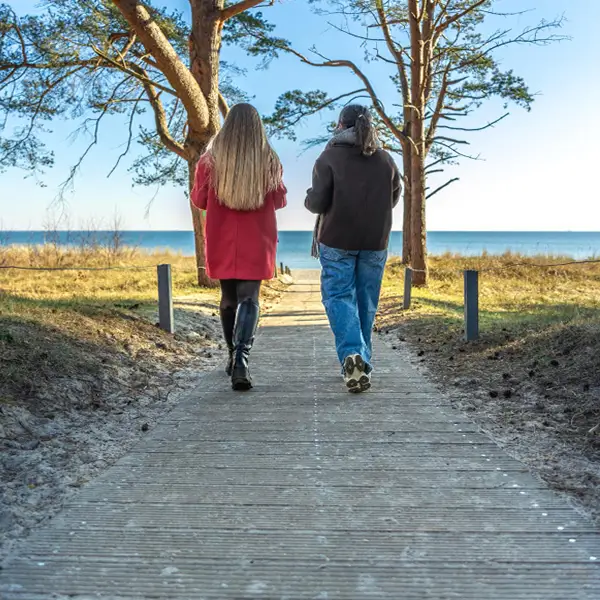
- Do you feel more comfortable outside than in a traditional therapy office?
- Is it easier for you to think and talk while moving, rather than sitting still?
- Does fresh air and open space help lift your mood or ease anxiety?
- Would you prefer a less clinical, more natural setting to work through your challenges?
- Do you notice you process your thoughts better while being active?
- Are you seeking a therapy experience that feels more approachable and less formal?
If any of these questions resonate with you, Walking Therapy may be a helpful alternative. In Walking Therapy, sessions take place outdoors, side by side, as you walk with your therapist.
Walking Therapy is available at our practice for children, teens, and adults of all genders. For many clients, this approach can be especially supportive for individuals who are active or experience anxiety, including kids and teens who may respond better to movement and a less structured environment. Walking Therapy is also ideal for adults who find traditional office settings uncomfortable or restrictive.
Why Choose Walking Therapy?
- Provides a relaxed, less intimidating environment
- Encourages movement, which can reduce anxiety and improve focus
- Offers a side-by-side dynamic that feels collaborative and less confrontational
- Supports natural conversation and connection, rather than formal sit-down sessions
- Can be particularly effective for those who are active or experience anxiety
Walking Therapy is designed for anyone who wants to try a different way of working on their mental health. This flexible approach respects your preferences and needs, whether you’re a child, teen, or adult.
Walking Therapy is not just about movement — it can incorporate evidence-based practices such as Cognitive Behavioral Therapy (CBT), interpersonal, solution-focused, or relational work. These therapeutic modalities can be effectively conducted while walking, maintaining clinical rigor and supporting meaningful progress.

For individuals experiencing social anxiety or specific phobias, Walking Therapy allows for in vivo exposure therapy — addressing fears and anxieties directly in the community. This real-world approach can help clients gradually face and manage triggers in a supportive, controlled manner.
What Does the Research Show? Recent studies and clinical observations highlight the benefits of integrating movement and outdoor environments into psychotherapy. Research indicates that walking during therapy can help reduce symptoms of anxiety and depression, improve cognitive functioning, and facilitate emotional processing. For example, a 2021 review in the Journal of Mental Health found that movement-based therapies, including walking, enhance engagement and therapeutic alliance — especially for individuals who may feel uncomfortable in traditional office settings.
Exposure to natural environments has also been shown to lower stress levels and improve mood. Studies published in Frontiers in Psychology demonstrate that being outdoors can increase feelings of calm and openness, making it easier to discuss difficult topics. Additionally, walking has been linked to increased creativity and problem-solving, supporting the idea that movement can help clients process thoughts and emotions more effectively.

If you choose to participate in Walking Therapy outside the office, your privacy and confidentiality are always prioritized. Therapists are trained to ensure sessions remain respectful and discreet, even when conducted in community settings.
Overall, research suggests Walking Therapy is a valid, evidence-based approach offering both psychological and physiological advantages. Several therapists at APPS are now adopting this practice to provide more flexible, client-centered care.
Interested in learning more or trying a session? We invite you to contact us at: (703) 723-2999 or info@ashburnpsych.com to learn more about Walking Therapy, our other services, and our clinicians.

Michael Oberschneider, Psy.D, NCCE, NCPC, is a Nationally Certified Custody Evaluator and Parenting Coordinator in private practice in Northern Virginia. Much of Dr. Oberschneider’s practice is dedicated to working with families who are going through high-conflict divorces. www.ashburnpsych.com