
When Sounds Feel Too Big: Understanding Children’s Noise Sensitivity
As a psychologist, I often meet parents who are genuinely perplexed by their child’s intense reactions to everyday sounds. The whir of a vacuum cleaner, the roar of an airplane, or the crack of fireworks can trigger distress that seems far beyond what most would expect. For some children and teens, this is not simply a dislike of noise; it may signal sensory sensitivity or, in other cases, a condition called misophonia.
Sensory Sensitivity vs. Misophonia: What’s the Difference?
Understanding the distinction between sensory sensitivity and misophonia is crucial, as each represents a unique experience and often calls for a different approach.
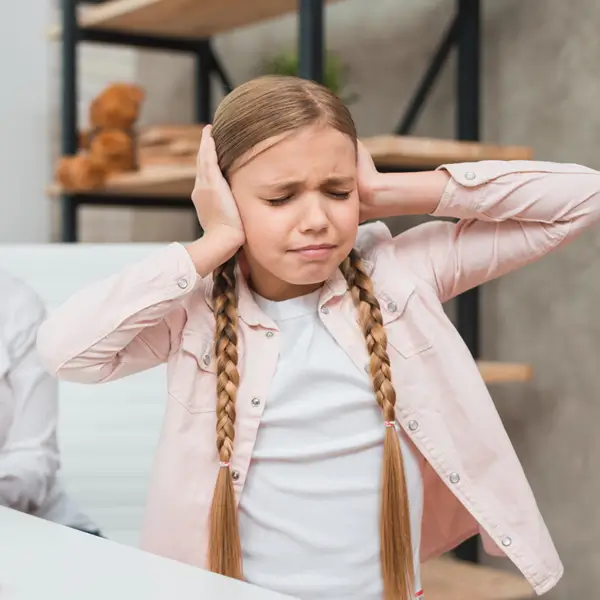
Sensory sensitivity refers to heightened responses to environmental sounds. Children and teens with sensory sensitivity may react strongly to loud, sudden, or chaotic noises—like toilets flushing, sirens, or the bustle of crowded spaces. Their nervous system interprets these sounds as overwhelming or even painful, regardless of the source. Sometimes, sensory sensitivity is part of a broader sensory processing profile and may coexist with conditions such as anxiety, high-functioning autism, or ADHD — but not always.
Misophonia, on the other hand, is marked by a strong emotional reaction — often anger or disgust — to specific, repetitive human-generated sounds. Common triggers include chewing, yawning, tapping, or throat clearing. The issue is not the volume or unpredictability, but the particular quality and repetition of the sound. Misophonia can occur in children and teens with otherwise typical sensory processing, and may or may not occur alongside other conditions.
Real-Life Examples from Practice
To illustrate these differences, here are a few examples from my clinical work (identifying details have been changed):
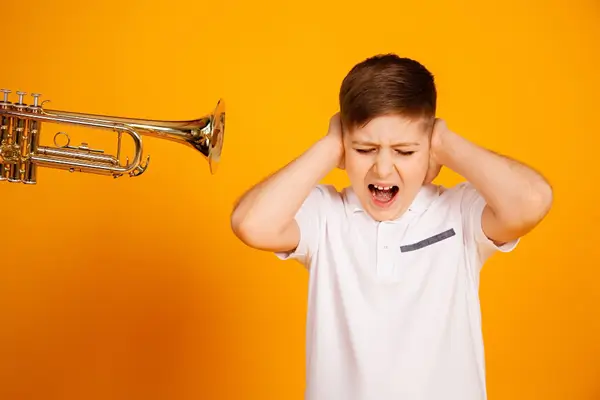
- Max, age eight, covers his ears whenever he hears loud noises such as toilets flushing or airplanes overhead. Even in everyday settings, he becomes visibly anxious and seeks out quieter spaces. Max’s reactions are triggered by the volume and suddenness of sounds, not by any specific type of noise.
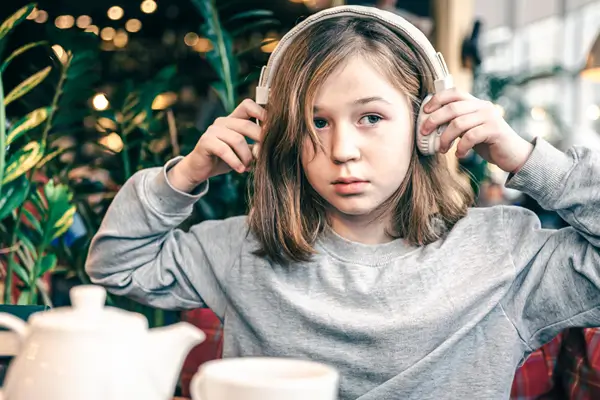
- Emma, age fourteen, wears headphones in social environments like school cafeterias or busy malls. She finds the mix of voices, music, and background noise overwhelming, and uses headphones to help her focus and feel comfortable. For Emma, it’s the overall sensory load that is difficult—not individual sounds.
- Liam, age thirteen, cannot tolerate hearing others chew food, yawn, or talk with their mouths full. These specific sounds evoke immediate irritation and distress, prompting him to leave the room or ask others to stop. Liam’s reaction is not about loudness, but about particular human-generated noises.
Summer Challenges: Fireworks, Travel, and Community Events
Children with sensory sensitivities and those with misophonia often face extra difficulties during the summer months. Seasonal events tend to bring more noise and unpredictability:
- Fireworks on the Fourth of July can be especially distressing, due to their volume and suddenness.
- Lawn mowers, construction, and outdoor gatherings add to the sensory load.
- Airplane travel, cruise ships, and crowded beaches introduce unfamiliar and intense sounds.
- Social events may increase exposure to triggering noises, whether environmental or human generated.
These challenges can lead to avoidance, anxiety, or behavioral struggles, making it harder for families to participate in summer activities.
Parent Guidance: Supporting Your Child
Whether your child’s reactions stem from sensory sensitivity or misophonia, there are practical ways to help:
- Prepare in Advance: Talk about upcoming events, describe the sounds and environments, and use visual schedules or social stories for younger children.
- Offer Control: Provide noise-canceling headphones or earplugs. Let your child choose quieter spaces or take breaks as needed.
- Create an Exit Plan: Identify a calm, quiet space your child can retreat to if overwhelmed.
- Gradual Exposure: Practice tolerable levels of sound in controlled settings to build resilience over time.
- Validate Their Experience: Acknowledge their discomfort (“I know loud noises feel really big to you”) rather than minimizing it.
- Travel Strategies: Bring familiar comfort items, schedule breaks, and allow extra time. Predictability and preparation can reduce anxiety.
- Fireworks and Events: Watch from a distance, inside a car, or through a window. Consider quieter celebrations or alternatives.
When to Seek Help
If your child’s sensitivity to sound interferes with daily life, consulting with a psychologist or occupational therapist can help clarify the underlying issue and provide tailored strategies. Early support can make a lasting difference, not just in how children cope with noise, but in how they experience the world.
Above all, remember children and teens with sensory sensitivities or misophonia are not being difficult; they are having difficulties. With understanding, planning, and appropriate support, families can help their children navigate a noisy world and participate more fully in summer activities and everyday life.

Michael Oberschneider, Psy.D, NCCE, NCPC, is a Nationally Certified Custody Evaluator and Parenting Coordinator in private practice in Northern Virginia. Much of Dr. Oberschneider’s practice is dedicated to working with families who are going through high-conflict divorces. www.ashburnpsych.com